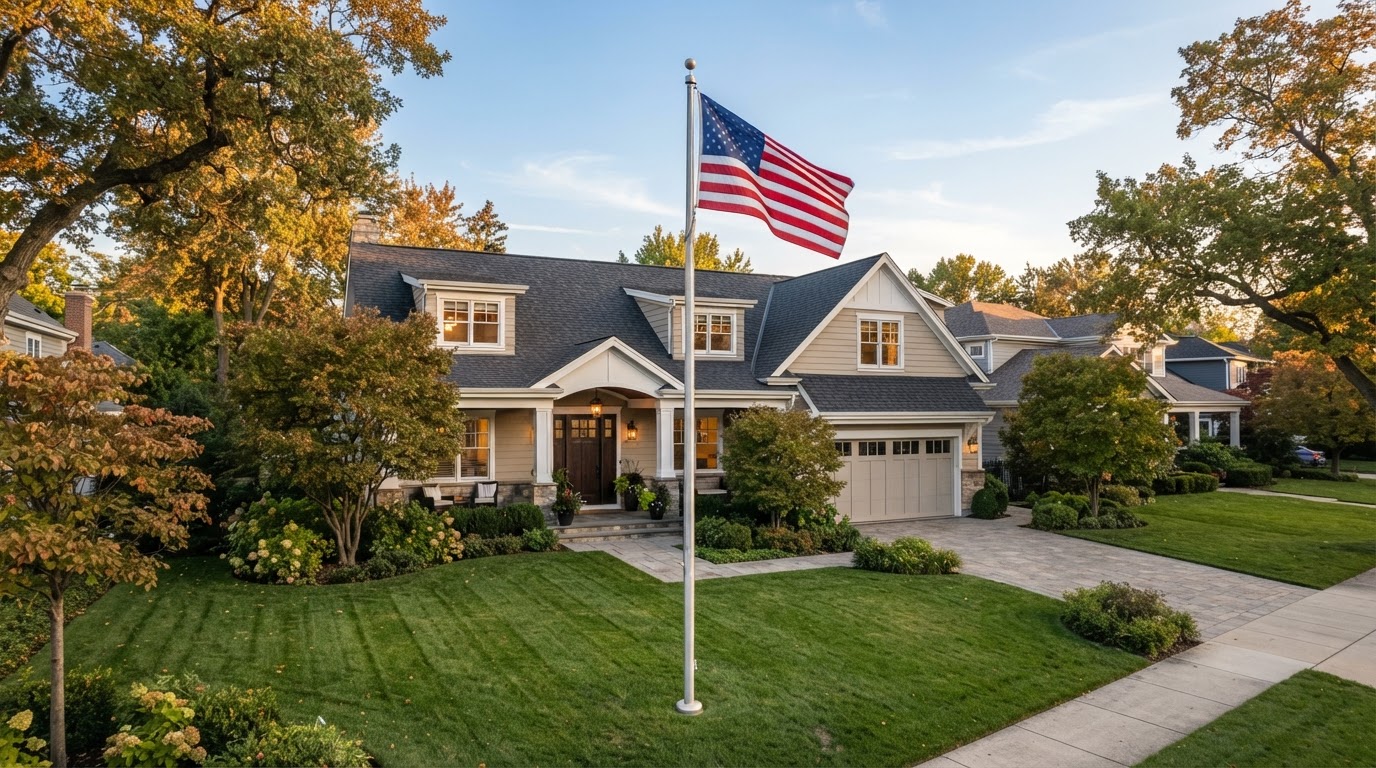
If you're buying a home in retirement, you may be deciding whether to pay cash or take out a mortgage with a monthly payment. A reverse mortgage may give you another way to finance the purchase.
Eligible buyers age 62 and older can use a reverse mortgage to purchase a home that will be their primary residence. The program is called a Home Equity Conversion Mortgage for Purchase, usually shortened to HECM for Purchase.
You put cash toward the purchase, and the reverse mortgage finances the rest within the program's limits. You are not required to make monthly principal-and-interest payments, provided you meet the loan's obligations. Property taxes, insurance, maintenance, and other applicable property charges remain your responsibility.
Depending on your qualifications, funds from the loan may be reserved to pay property taxes and insurance on your behalf. Your lender will review your finances and explain whether that arrangement is available, how it works, and how much it leaves for the purchase.
You still need to budget for the costs of owning the home.
What Is a HECM for Purchase?
A HECM is a reverse mortgage insured by the Federal Housing Administration, or FHA. The purchase version lets eligible buyers use that financing to buy a new primary residence.
A reverse mortgage on a home you already own uses equity in that property. With a HECM for Purchase, your cash contribution and the loan proceeds work together to fund the home purchase.
The Consumer Financial Protection Bureau confirms that a reverse mortgage can be used to buy a home.
Whether it makes sense for you depends on your purchase budget, living expenses, and plans for the home. You can read more about the basics of reverse mortgages before comparing your options.
How Much Cash Do You Need to Buy the Home?
A HECM for Purchase requires a cash contribution. The reverse mortgage does not automatically cover the full purchase price.
Your funds must cover the difference between the available loan proceeds and the purchase price, plus closing costs that are not otherwise covered.
Your down payment depends on your situation. HUD explains that the amount available depends on:
- The age of the youngest borrower or eligible non-borrowing spouse.
- The applicable interest rate.
- The lowest of the appraised value, sales price, or FHA HECM mortgage limit.
Loan costs and required reserves also affect how much is available. Your lender needs to calculate these amounts before you know how much cash to bring to closing.
Money reserved for taxes and insurance comes from your loan proceeds, so it can leave less available for the purchase.
Ask for a written breakdown showing the purchase price, available financing, loan costs, required reserves, any tax-and-insurance set-aside, and total cash needed. Also ask which sources of funds are acceptable and how they must be documented.
You can review HUD's HECM program information for the factors used to determine available proceeds.
Who Can Qualify?
You must be at least 62 to be a borrower on an FHA-insured HECM, and you must also meet the other loan requirements.
The property must qualify, you must complete counseling, and the lender must review your finances. The home you purchase must become your primary residence. HUD's purchase rules generally require borrowers and eligible non-borrowing spouses to occupy it within 60 days of closing.
This is financing for the home where you will live. It is not a program for purchasing a vacation home or a rental property you do not occupy.
The lender reviews your finances
The lender needs to know how you'll pay property taxes, insurance, and other housing expenses.
The lender performs a financial assessment, including a review of income, credit history, and payment history. Depending on the results, part of the loan proceeds may need to be reserved for property taxes and insurance. Those funds may pay taxes and insurance on your behalf if you meet the requirements for that arrangement.
A tax-and-insurance set-aside can affect how much financing is available for the purchase. If you do not qualify for that arrangement, you generally must pay the charges directly when they come due. Retired borrowers go through this review too.
Counseling is required
Before receiving a HECM, you must complete counseling through a HUD-approved reverse mortgage counseling agency.
During counseling, you can ask about costs, your responsibilities, other financing options, and what the loan means for your spouse or heirs. Bring your lender's estimates and ask how any funds reserved for taxes and insurance would work.
What Kind of Home Can You Buy?
The home must meet FHA's applicable property requirements. Not every property qualifies for a HECM for Purchase.
Before committing to a purchase, have the lender review the property type and any questions about its eligibility. If you are considering a condominium or manufactured home, ask about the requirements that apply to that specific property.
What Does "No Required Monthly Mortgage Payment" Mean?
With a HECM for Purchase, you are not required to make monthly payments toward the loan's principal and interest while you satisfy the loan terms.
Interest and applicable fees are added to the loan balance over time. If you don't make payments to reduce it, the amount you owe generally grows.
You also remain responsible for:
- Property taxes.
- Homeowners insurance and flood insurance when required.
- Maintenance and required repairs.
- Applicable homeowners association dues and other property charges.
If you qualify for an approved tax-and-insurance set-aside, the reverse mortgage may pay property taxes and insurance for you from designated loan proceeds. Ask which charges the set-aside covers and how much it reduces the funds available for other purposes. You must still meet the arrangement's requirements.
Include utilities, repairs, and everyday living costs in your budget too. Taxes and insurance can increase, even when you have no required principal-and-interest payment.
Failing to meet the loan's property-charge, maintenance, or occupancy requirements can lead to the loan becoming due and potentially to foreclosure.
Do You Still Own the Home?
Yes. The home's title remains in your name. A reverse mortgage is a loan secured by the property.
You have the responsibilities of a homeowner, and the lender has a mortgage lien. Taking out the loan does not transfer ownership to the lender.
You can sell the home, but the reverse mortgage must be repaid as part of the transaction. After repayment and selling expenses, any remaining proceeds belong to you.
A growing loan balance can reduce your equity. Changes in the home's value affect it too. Ask your lender to explain how much you could owe over time.
What Costs Should You Review?
A HECM for Purchase has upfront and ongoing costs. Depending on the transaction, upfront expenses can include an origination fee, appraisal, title services, recording fees, other closing expenses, and an initial FHA mortgage insurance premium.
Interest and mortgage insurance continue over the life of the loan. Some loans also have servicing fees. These costs add to what you owe.
Some expenses may be financed, but financing them still uses loan proceeds and adds to the debt. Ask your lender to distinguish between expenses paid at closing, expenses added to the loan, and any funds reserved to pay taxes or insurance.
When you compare financing options for the same home, look at the total costs as well as the monthly payments. A loan with no required monthly principal-and-interest payment can still be expensive.
When Does the Reverse Mortgage Have to Be Repaid?
The loan generally becomes due when the home is sold, the last borrower dies, or the home stops being the borrower's primary residence, subject to applicable protections for an eligible non-borrowing spouse.
It can also become due if the borrower fails to meet the loan's obligations, including requirements related to property taxes, insurance, maintenance, occupancy, or any approved tax-and-insurance set-aside arrangement.
An extended move into a healthcare facility can affect occupancy requirements. For example, an absence of more than 12 consecutive months can trigger repayment when no co-borrower remains in the home, subject to eligible non-borrowing spouse protections.
If you might move again or need assisted living, ask your counselor how that would affect repayment.
What Happens to Your Spouse or Heirs?
A spouse's status matters
A spouse who is a co-borrower can generally remain in the home after the other borrower dies, provided the loan obligations continue to be met.
A spouse who is not a borrower may qualify for protections as an eligible non-borrowing spouse. Ask your lender and counselor to explain those conditions before closing, especially if one spouse is younger than 62.
Can the home be left to your estate or heirs?
Yes. A home purchased with a reverse mortgage can pass to your estate or heirs after you die. The reverse mortgage does not automatically make the lender the owner. How the property passes depends on its ownership and your estate arrangements.
However, the mortgage remains attached to the home. Your heirs inherit property that is subject to that debt. Repayment generally becomes due after the last borrower dies, subject to protections for an eligible non-borrowing spouse.
When repayment is due, heirs can sell the property and use the proceeds to repay the loan. Any equity left after the mortgage and selling expenses are paid belongs to the estate or heirs. They can also arrange to repay the loan to keep the home.
What if the loan balance is more than the home is worth?
With an FHA-insured HECM, the estate and heirs are not personally responsible for paying the difference between the mortgage balance and the home's value. HECMs are non-recourse loans. The lender's recovery is limited to the property. Other estate assets and the heirs' personal savings are not required to cover the mortgage shortfall.
When the loan becomes due, the choices include:
- Sell the home: Follow the servicer's requirements for an approved sale. When the loan balance exceeds the home's value, the applicable HECM rules allow a sale for at least 95% of its current appraised value to satisfy the debt. FHA mortgage insurance covers the remaining insured shortfall.
- Keep the home: Heirs can satisfy the reverse mortgage by paying the lower of the outstanding loan balance or 95% of the home's current appraised value, under the applicable HECM rules. If the balance exceeds the appraised value, that means 95% of the appraised value, rather than the full mortgage balance.
- Return the property: The estate or heirs can discuss transferring the property to the lender through a deed in lieu of foreclosure instead of keeping or selling it.
These protections apply to the HECM mortgage debt. Property taxes, insurance, and other ownership expenses may still need to be paid while the estate holds the home. Contact the servicer promptly to confirm the appraisal, required payoff, deadlines, and steps for the chosen option.
Heirs cannot simply continue the original reverse mortgage after inheriting the home. They will need to work with the servicer to settle the loan.
How Should You Compare Your Purchase Options?
Start with the home you want and the budget you can support. Then compare paying cash, using a traditional mortgage, and using a HECM for Purchase.
Look at more than the initial payment. Consider cash needed at closing, cash remaining afterward, continuing housing expenses, loan costs, any tax-and-insurance set-aside, and your plans for the property.
Useful questions include:
- How much money will I have available after closing?
- Can I comfortably pay taxes, insurance, and maintenance?
- If I qualify for a tax-and-insurance set-aside, what will it cover and how will it affect my available proceeds?
- What would happen if I needed to move sooner than expected?
- How will this choice affect my spouse and heirs?
- What does a traditional mortgage offer for the same purchase?
Compare a HECM for Purchase with other home loan options. The CFPB also provides questions to discuss with a reverse mortgage counselor.
Talk Through the Numbers Before You Buy
You don't have to decide based on general information alone. Ask for numbers based on your age, the home's price, and the cash you have available. Review the costs, your remaining savings, any funds reserved for taxes and insurance, and the repayment terms.
I'm John Collins, a mortgage broker serving buyers in Texas and Idaho. If you're planning a home purchase in retirement, we can talk through a HECM for Purchase and compare it with your other financing options.
Schedule a Private Reverse Mortgage Review
John Collins | NMLS #1929207 Mpire Financial Group LLC | NMLS #2108504 Equal Housing Opportunity
Have a mortgage question?
John reviews each situation directly and explains the available path clearly.